Search page
We found 1624 search results.
Narrow the search result by using the filters.
You can also find relevant contacts and locations here
Showing 1-10 of 1624 search results-

Why TAN testing matters for marine lubricant condition monitoring
Lubricant degradation is often invisible until it begins to affect equipment performance. In marine and offshore operations, where gearboxes, thrusters, cranes and hydraulic systems run under heavy load for long periods, that delay can become costly. Total
-
Wilhelmsen insights |
Responsible Refrigeration: A practical approach for ships
Refrigerant leaks increase emissions, energy consumption and compliance risk. A Responsible Refrigeration approach helps shipowners stay ahead of evolving regulations while improving operational efficiency. Refrigeration is essential onboard, but its emissions
-
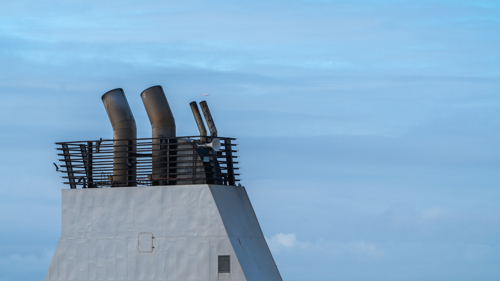
What happens when poor-quality urea enters your SCR system
SCR systems are engineered to operate with urea that meets strict international quality standards. Any deviation in concentration or the presence of unwanted impurities can interfere with the chemical reaction and lead to injector blockages, catalyst degradation
-
Wilhelmsen insights | Updated
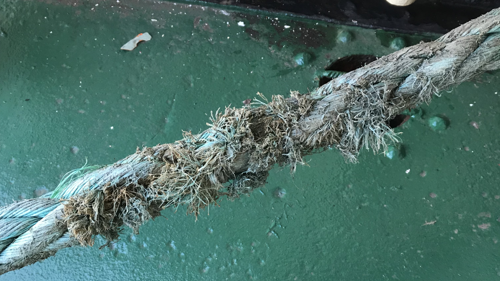
Understanding mooring rope abrasion
Mooring rope abrasion remains one of the most common and most underestimated causes of premature rope failure in vessel operations. While often treated as a routine maintenance issue, abrasion sits at the intersection of equipment condition, operational practices
-

The hidden operational risks of poor emission control chemical management
Emission control systems are only as reliable as the chemicals that support them. While much attention is placed on hardware such as scrubbers and SCR units, the quality and consistency of chemicals like urea and caustic soda play an equally critical role
-

What shipowners need to know about SOx & NOx as Canadian Arctic joins the ECAs
The global Emission Control Area framework is expanding once again. With the Canadian Arctic and the Norwegian Sea designated as new ECAs under MARPOL Annex VI, shipowners face stricter sulphur and nitrogen oxide requirements across a broader portion of their
-

How to choose the right fuel and lube oil test kit for your vessel
guide is intended to support chief engineers and technical superintendents in selecting onboard test kits that align with vessel size, engine configuration, fuel strategy, and operating profile. Unplanned downtime and major engine repairs can result in significant
-
Wilhelmsen insights |

Safeguarding your fuel system
Microbial contamination: the silent threat hiding in your fuel tanks as marine fuels evolve, so do the risks. Microbial growth fueled by water ingress is quietly degrading fuel quality, threatening vessel safety, and driving up maintenance costs. In this article
-
Wilhelmsen insights |

Mitigating Mooring Crew Training and Knowledge Gaps
In a routine mooring operation, the competence of crew members and their knowledge of best practices are critical factors in ensuring safety and operational efficiency. Improper use and handling of mooring ropes can lead to accidents, equipment damage, and
-
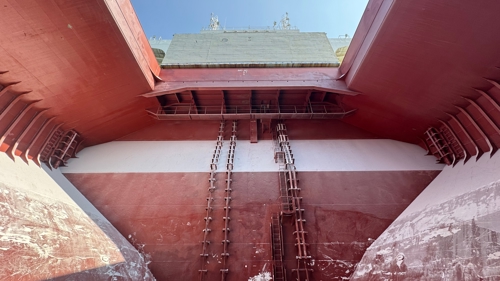
Preventing Cross-Contamination Between Cargoes
Learn how Unitor™ and Navadan™ solutions by Wilhelmsen prevent cross-contamination between cargoes using advanced marine cleaning chemicals and high-performance equipment for residue-free, compliant, and efficient cargo holds. Clean cargo holds are the backbone
-
ELECTRODE CABINET WITH 27 PACKAGES.
-
UWI-MAXIMUS 503 WELDING INVERTER COMPLETE
-
UPC-NEO NG PLASMA CUTTER (UPH-125) COMPLETE
-
GASWELDING CABINET COMPLETE
-
UWI-230TP AC/DC WELDING INVERTER (1P 230V)
-
UWW-301 TP WIRE WELDER
-
UWI-320TP WELDING INVERTER
-
UWI-150 TP WELDING INVERTER IN CASE (1P 230V)
-
UWI-203 TP WELDING INVERTER
-
DIESELPOWER CFPP (PAIL: 25 LTR)